
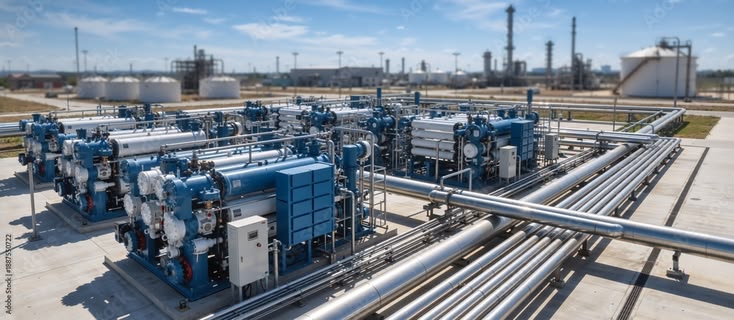
Oil procurement in Poland, particularly for industrial buyers and importers, can be surprisingly complex. Why oil deals fail in Poland is a question that arises frequently among procurement managers navigating an environment characterized by regulatory oversight, volatile pricing, and multi-layered supply chains.
This article is written for decision-makers and operational teams seeking clarity on the common causes of failed oil contracts. It explains why direct sourcing from U.S. refineries can enhance reliability and compliance, outlines the pitfalls in Polish oil procurement, and provides actionable guidance for mitigating risk, ensuring timely deliveries, and maintaining quality standards.
Supplier Verification and Reliability Challenges
The Problem
Many failed oil deals trace back to supplier issues. In Poland, buyers often encounter:
- Non-verified sellers lacking adequate supply capabilities
- Incomplete documentation that delays customs clearance
- Unreliable delivery schedules leading to operational downtime
A single unreliable supplier can cause cascading effects, from production interruptions to contractual penalties.
How to Fix It
- Direct Refinery Contracts: Engaging directly with U.S. refineries reduces the likelihood of intermediaries introducing delays or substandard product.
- Supplier Due Diligence: Verify licenses, export capabilities, and financial stability before signing contracts.
- Third-Party Verification: Use inspection agencies to confirm fuel quality and quantity.
For a practical guide to verified Polish suppliers, see https://intergaz.pl/buy-crude-oil-in-poland-verified-suppliers-guide/.
Regulatory Compliance Failures
The Problem
Regulatory non-compliance is a common reason deals collapse. Poland, as an EU member, adheres to strict fuel quality and environmental standards:
- EN590 Diesel and EN228 Gasoline: Mandatory European specifications
- Documentation Requirements: Import permits, Certificates of Origin, and compliance certificates
- U.S. Export Regulations: Accuracy in export documentation is critical for shipments from U.S. refineries
Ignoring these requirements can result in shipment rejection, fines, or legal disputes.
How to Fix It
- Maintain an updated understanding of EU and U.S. regulations.
- Ensure suppliers provide Certificates of Quality (COQ) and full compliance documentation.
- Implement internal audits for all incoming fuel deliveries.
Regulatory updates and guidance are available via the International Energy Agency — https://www.iea.org.
Price Volatility and Mismanaged Contracts
The Problem
Polish oil buyers are vulnerable to global price fluctuations. Failed deals often involve:
- Poorly structured contracts tied to volatile indices without mitigation measures
- Misaligned expectations on delivery schedules and payment terms
- Inadequate risk management for geopolitical or seasonal supply disruptions
Such conditions can turn a routine transaction into a financial and operational liability.
How to Fix It
- Benchmark Contracts: Use Brent or Platts indices for transparent pricing.
- Hedging Options: Futures contracts, swaps, and price collars can manage volatility.
- Flexible Terms: Include both fixed and floating price clauses to balance risk and opportunity.
Market analysis from OilPrice — https://oilprice.com — can inform pricing strategies.
Logistics and Delivery Failures
The Problem
Operational failures are often logistical. In Poland, obstacles include:
- Port congestion at Baltic Sea terminals
- Inadequate storage or terminal infrastructure
- Poor coordination between carriers, suppliers, and buyers
Even a perfectly priced and compliant contract can fail if fuel cannot be delivered efficiently.
How to Fix It
- Pre-arranged Shipping: Secure port and shipping slots in advance.
- Buffer Storage: Maintain reserve capacity to cover unexpected delays.
- Integrated Supply Chain Management: Coordinate shipments, customs, and storage.
For services supporting logistics and operational planning, see https://intergaz.pl/services/.
Quality Assurance Problems
The Problem
Substandard fuel is another major cause of failed deals:
- Contaminated diesel or gasoline
- Off-spec grades that violate EU standards
- Fuel degradation during storage or transit
These issues can disrupt operations and result in legal and financial repercussions.
How to Fix It
- Conduct pre-shipment and on-arrival inspections using certified agencies.
- Confirm Certificates of Quality for every batch.
- Implement storage best practices to preserve fuel stability.
Maintaining high-quality standards ensures compliance and equipment reliability.
Contractual Ambiguities and Miscommunication
The Problem
Contract disputes often lead to failed deals due to unclear terms, including:
- Responsibility for transport and insurance (FOB vs CIF)
- Ambiguity in delivery schedules and volumes
- Payment and bank guarantee misunderstandings
Unclear contracts create legal risk and operational disruption.
How to Fix It
- Draft contracts with explicit responsibilities, timelines, and penalties.
- Define quality and compliance requirements clearly.
- Utilize standardized contracts and legal review.
For guidance on structuring contracts and managing supplier risk, see https://intergaz.pl/contact-us/.
Supply Concentration and Geopolitical Risk
The Problem
Poland’s oil supply relies heavily on a limited number of countries, making deals vulnerable to:
- Geopolitical instability affecting suppliers
- Export restrictions or sanctions
- Currency volatility impacting transaction value
These risks can lead to sudden shortages or contract terminations.
How to Fix It
- Diversify Suppliers: Engage multiple, verified international refineries.
- Long-Term Agreements: Lock in supply and pricing to reduce exposure.
- Risk Monitoring: Regularly evaluate global political and economic indicators.
The U.S. Energy Information Administration — https://www.eia.gov — provides reliable insights for planning and risk mitigation.
Step-by-Step Approach to Prevent Deal Failure
- Define Precise Specifications: Determine fuel type, grade, and volume.
- Verify Suppliers Thoroughly: Use licensing checks, financial audits, and performance history.
- Negotiate Robust Contracts: Include clear clauses on price, delivery, quality, and compliance.
- Plan Logistics in Detail: Consider shipping, storage, customs, and insurance responsibilities.
- Implement Quality Control: Pre-shipment inspection and Certificates of Quality.
- Monitor Regulatory Compliance: Align with both EU and U.S. standards.
- Diversify Supply Sources: Reduce dependency on single-country or single-supplier arrangements.
- Regularly Review Contracts and KPIs: Ensure ongoing performance and compliance.
Conclusion
Understanding why oil deals fail in Poland is crucial for industrial buyers and importers aiming to maintain supply continuity, regulatory compliance, and cost efficiency.
Common pitfalls—including unreliable suppliers, regulatory oversights, price volatility, logistical failures, and unclear contracts—can derail even well-intentioned procurement efforts. However, proactive measures such as direct refinery engagement, robust contract drafting, quality assurance, and supply diversification can significantly reduce risk.
By applying these strategies, Polish buyers can transform potentially unstable oil deals into reliable, compliant, and efficient procurement operations, securing a stable energy supply for industrial and commercial purposes.
This analysis serves as a practical roadmap to prevent deal failures and optimize procurement in Poland’s complex oil and gas market.