
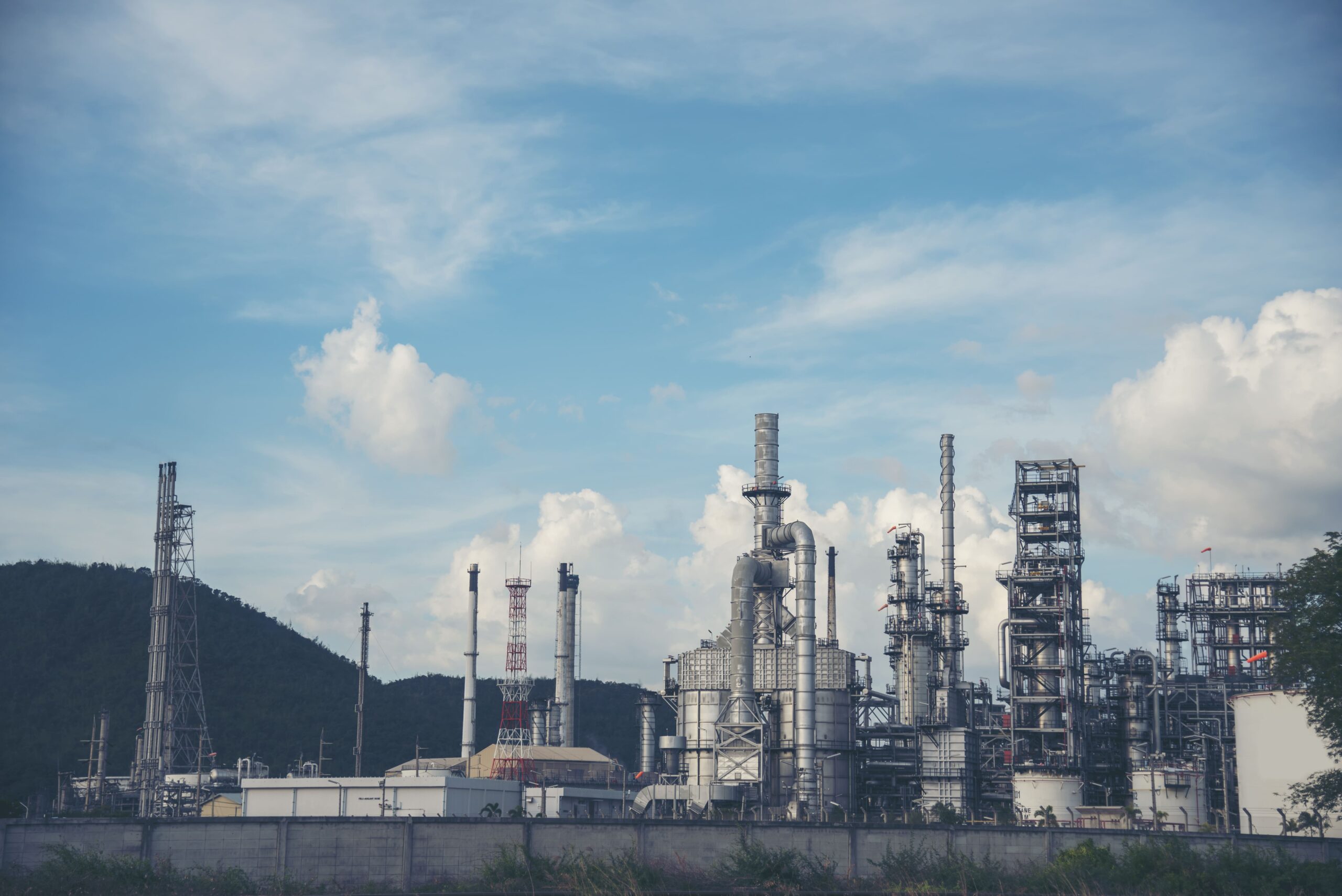
For energy traders, refiners, and industrial buyers, the ability to buy crude oil in Poland efficiently depends on more than simply finding a supplier. It requires understanding supply chains, regulatory frameworks, pricing structures, and logistics realities across both European and global markets. This guide is designed for buyers seeking clarity on sourcing crude oil in Poland, including how to identify verified suppliers and structure transactions securely.
Poland plays a strategic role in Central and Eastern Europe’s energy landscape, serving as both a refining hub and a transit point for crude imports. While some buyers explore sourcing directly from U.S. refineries to diversify supply and reduce geopolitical risk, the Polish market remains deeply connected to global benchmarks and infrastructure networks.
This article explains how the market works, what buyers should watch for, and how to navigate risks while securing reliable supply.
Understanding the Crude Oil Market in Poland
Market Structure and Supply Sources
Poland does not produce significant volumes of crude oil domestically. Instead, it relies heavily on imports, historically from Russia via pipeline systems, but increasingly diversified through seaborne imports from the Middle East, the North Sea, the United States, and West Africa.
Key supply routes include:
- Pipeline imports via the Druzhba system
- Maritime deliveries through Baltic ports such as Gdańsk
- Spot cargoes sourced from global traders
The shift toward diversified sourcing has increased the importance of verified suppliers and transparent contracts. Buyers must now evaluate not only price but also origin, quality specifications, and delivery reliability.
For current global supply data and trends, refer to the U.S. Energy Information Administration — https://www.eia.gov.
Buy Crude Oil in Poland: Supplier Verification Essentials
What Defines a Verified Supplier?
A verified crude oil supplier is one that can demonstrate:
- Legal registration and operational licenses
- Proven export history and trade documentation
- Access to physical supply (not just brokerage claims)
- Ability to issue verifiable documents such as SGS reports (independent inspection certificates)
Buyers should distinguish between:
- Direct suppliers: Companies controlling physical cargo
- Mandates/intermediaries: Representatives of suppliers
- Brokers: Facilitators without supply ownership
Each layer adds complexity and potential risk.
Due Diligence Checklist
Before entering a transaction, buyers should verify:
- Company registration and tax identification
- Past transaction records
- Bank references or financial credibility
- Documentation authenticity (e.g., Bills of Lading, Certificates of Origin)
Failure to conduct due diligence is one of the most common and costly mistakes in crude oil procurement.
Pricing Structures When You Buy Crude Oil in Poland
Benchmark Pricing
Crude oil pricing is typically linked to international benchmarks such as:
- Brent crude
- West Texas Intermediate (WTI)
In Poland, Brent is the most commonly referenced benchmark due to geographic relevance.
Prices are usually structured as:
- Benchmark ± differential
The differential reflects:
- Crude quality (API gravity, sulfur content)
- Transportation costs
- Market demand and supply conditions
For real-time pricing insights, see OilPrice — https://oilprice.com.
Contract Types
Buyers typically encounter:
- Spot contracts: One-time purchases at current market prices
- Term contracts: Long-term agreements with fixed or formula-based pricing
- FOB (Free on Board): Buyer handles shipping
- CIF (Cost, Insurance, Freight): Seller arranges delivery
Understanding these structures is essential for managing cost exposure and logistics responsibilities.
Logistics and Delivery Considerations
Import Infrastructure
Poland’s crude oil imports are facilitated by:
- Deep-water ports capable of handling large tankers
- Pipeline networks connecting refineries and storage facilities
- Strategic storage terminals
Delivery timelines depend on:
- Shipping distance
- Port congestion
- Weather conditions
- Customs clearance
Documentation and Inspection
A standard crude oil transaction involves:
- Bill of Lading
- Certificate of Quality and Quantity
- Certificate of Origin
- Inspection reports (e.g., SGS)
Independent inspection is critical to ensure that the delivered product meets contractual specifications.
For broader market logistics trends, consult Reuters Energy — https://www.reuters.com/business/energy/.
Regulatory and Compliance Framework
EU and Polish Regulations
Buyers operating in Poland must comply with:
- European Union energy regulations
- Environmental and emissions standards
- Import documentation and customs requirements
Additionally, sanctions and trade restrictions can significantly impact supplier eligibility, particularly for certain origins.
U.S. Supply Considerations
For buyers considering diversification through U.S. crude:
- U.S. exports are governed by federal regulations
- Documentation and compliance standards are typically high
- Contracts often include strict financial and legal safeguards
This can improve transparency but may increase administrative complexity.
For global policy insights, refer to the International Energy Agency — https://www.iea.org.
Risks and Common Mistakes
Key Risks
- Fraudulent suppliers
Fake documentation and non-existent cargoes remain a major risk. - Quality mismatch
Delivered crude may not meet agreed specifications. - Logistics failure
Delays or disruptions in shipping and port handling. - Regulatory violations
Non-compliance with sanctions or import laws.
Common Buyer Mistakes
- Skipping due diligence
- Relying solely on intermediaries
- Ignoring contract details
- Underestimating logistics costs
Mitigating these risks requires structured processes and professional oversight.
Opportunities for Buyers in Poland
Market Diversification
Poland’s move away from single-source dependency creates opportunities to:
- Access competitive pricing from multiple regions
- Reduce geopolitical exposure
- Improve supply resilience
Strategic Positioning
Poland’s location offers:
- Access to Central and Eastern European markets
- Integration with EU energy infrastructure
- Growing importance in regional energy security
Buyers who understand these dynamics can secure long-term advantages.
Supply Reliability and Risk Mitigation
Building a Resilient Supply Chain
To ensure consistent supply, buyers should:
- Work with multiple verified suppliers
- Use term contracts where appropriate
- Diversify sourcing regions
- Maintain strategic storage reserves
Financial Safeguards
Common financial instruments include:
- Letters of Credit (LC)
- Escrow arrangements
- Performance guarantees
These mechanisms reduce counterparty risk and improve transaction security.
For producer-level insights, see OPEC — https://www.opec.org.
Market Outlook and Future Trends
Energy Transition Impact
The global shift toward renewable energy is influencing crude oil markets by:
- Increasing regulatory scrutiny
- Affecting long-term demand projections
- Encouraging cleaner fuel standards
However, crude oil remains a critical energy source, particularly for transportation and industry.
Supply Dynamics
Key trends shaping the market include:
- Continued diversification of supply sources
- Increased U.S. export volumes
- Evolving geopolitical factors
Poland is likely to remain a key import hub, with growing emphasis on flexibility and resilience.
Conclusion
To successfully buy crude oil in Poland, buyers must navigate a complex ecosystem of suppliers, pricing mechanisms, logistics systems, and regulatory frameworks. Verified suppliers, transparent contracts, and thorough due diligence are essential for minimizing risk and ensuring reliable supply.
Poland’s strategic role in Europe, combined with global market integration, offers both opportunities and challenges. Buyers who approach the market with a structured, informed strategy—grounded in verification, compliance, and risk management—will be best positioned to secure long-term value.
Understanding not just where to buy, but how the system operates, is the key to successful crude oil procurement in today’s evolving energy landscape