For energy buyers, utilities, and industrial consumers, understanding LNG contracts Poland is essential to securing stable and cost-effective natural gas supply. Liquefied Natural Gas (LNG) has become a cornerstone of Poland’s energy diversification strategy, reducing reliance on pipeline imports and increasing flexibility in sourcing.
This guide is designed for buyers navigating LNG procurement in Poland, particularly those evaluating long-term supply agreements and direct sourcing options. One critical consideration is whether to engage directly with U.S. LNG exporters, which often offer transparent contract structures and flexible destination terms compared to traditional supply arrangements.
The article explains how LNG contracts are structured, how pricing works, what risks to consider, and how Poland’s infrastructure and regulatory environment shape procurement decisions.
Understanding LNG and Poland’s Market Structure
What Is LNG?
Liquefied Natural Gas (LNG) is natural gas cooled to approximately −162°C, transforming it into a liquid for easier storage and transport. This process reduces its volume by about 600 times, making it economically viable to ship across long distances.
Once delivered, LNG is regasified and injected into pipeline systems for distribution.
Poland’s LNG Infrastructure
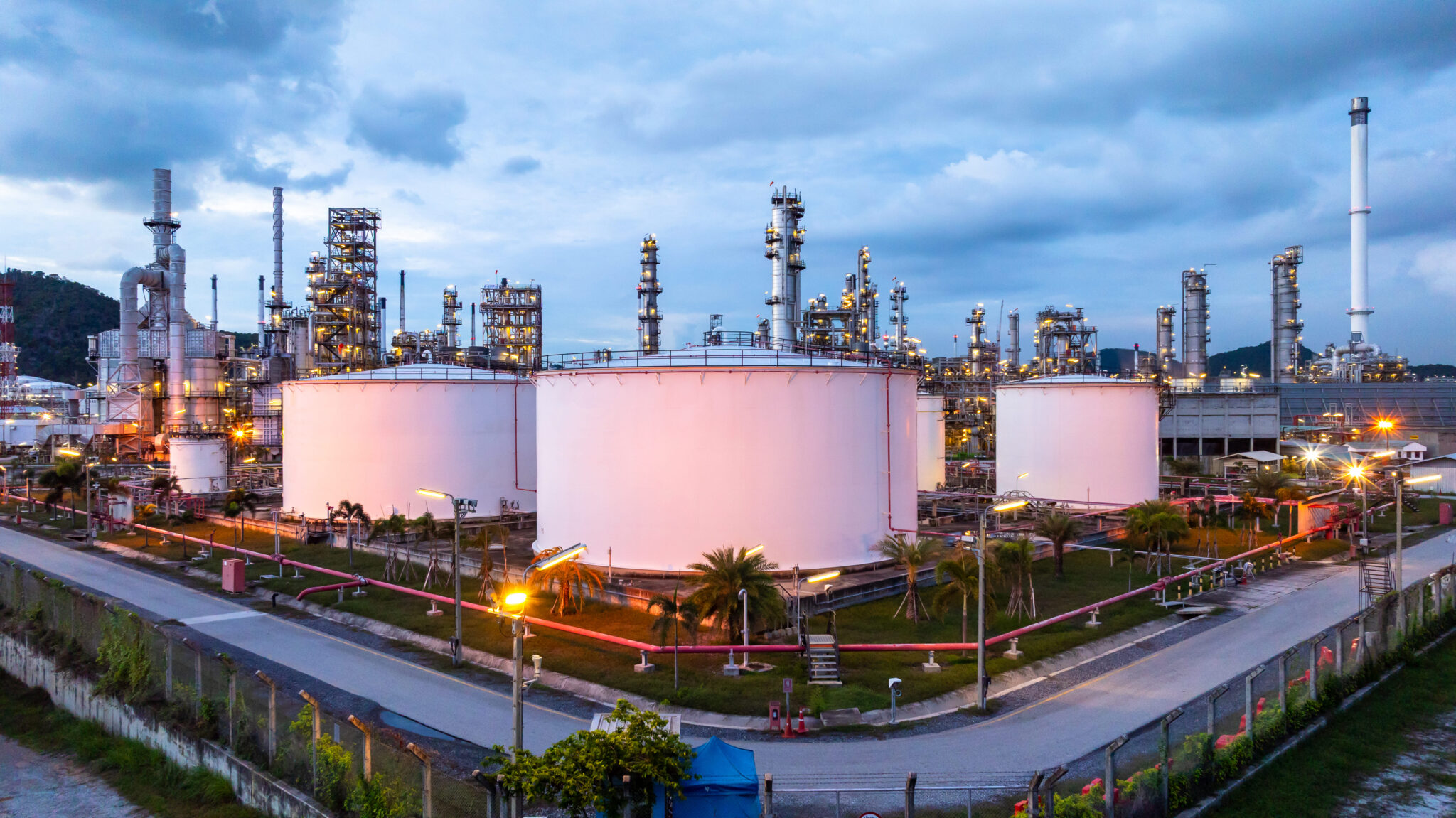
Poland’s LNG market is anchored by:
- The Świnoujście LNG terminal on the Baltic coast
- Pipeline connections to domestic and regional gas networks
- Expanding storage and regasification capacity
This infrastructure enables Poland to import LNG from global suppliers, including the United States, Qatar, and Norway.
For global gas market insights, see U.S. Energy Information Administration — https://www.eia.gov.
LNG Contracts Poland: Core Contract Structures
Long-Term Contracts
Traditionally, LNG supply has been governed by long-term contracts, typically spanning 10–20 years. These agreements provide:
- Supply security
- Predictable pricing formulas
- Guaranteed delivery volumes
However, they may limit flexibility if market conditions change.
Spot and Short-Term Contracts
In recent years, the LNG market has evolved toward:
- Spot purchases (immediate delivery)
- Short-term agreements (1–5 years)
These options allow buyers to:
- Respond to market price changes
- Optimize procurement strategies
- Reduce long-term commitments
FOB vs DES Contracts
LNG contracts are often structured as:
- FOB (Free on Board): Buyer takes ownership at the export terminal and arranges shipping
- DES (Delivered Ex Ship): Seller delivers LNG to the destination terminal
FOB contracts provide flexibility, while DES contracts simplify logistics.
Pricing Mechanisms in LNG Contracts Poland
Oil-Indexed Pricing
Historically, LNG prices have been linked to crude oil benchmarks such as Brent. This structure includes:
- A base oil price
- A slope (percentage multiplier)
- Fixed components
This model provides stability but may not reflect real-time gas market conditions.
Hub-Based Pricing
Increasingly, LNG contracts reference gas hubs such as:
- TTF (Title Transfer Facility) in Europe
- Henry Hub in the United States
Hub-based pricing reflects supply-demand dynamics more accurately and offers greater transparency.
For pricing trends and analysis, see OilPrice — https://oilprice.com.
LNG Contracts Poland: Supplier Landscape
Major Exporters
Poland sources LNG from:
- U.S. exporters (e.g., Gulf Coast terminals)
- Middle Eastern producers
- European suppliers
U.S. LNG is particularly attractive due to:
- Flexible destination clauses
- Hub-based pricing (Henry Hub-linked)
- Transparent contractual frameworks
Role of Traders
Trading companies play a key role by:
- Aggregating supply
- Offering flexible contract terms
- Managing logistics and risk
However, buyers must verify counterparties carefully.
For supplier verification principles, refer to
https://intergaz.pl/buy-crude-oil-in-poland-verified-suppliers-guide/
Logistics and Delivery Realities
LNG Shipping and Handling
LNG transport involves specialized vessels with cryogenic storage systems. Key logistics stages include:
- Liquefaction at export terminal
- Maritime transport
- Unloading at import terminal
- Regasification
Each stage requires precise coordination and technical expertise.
Delivery Timelines
Typical LNG delivery timelines:
- U.S. to Poland: 20–40 days
- Middle East to Poland: 15–30 days
Delays may result from:
- Weather conditions
- Port congestion
- Vessel availability
For logistics and operational services, see
https://intergaz.pl/services/
Regulatory and Compliance Considerations
EU Energy Regulations
LNG imports into Poland must comply with:
- EU gas market regulations
- Environmental standards
- Third-party access rules for infrastructure
These regulations promote competition and transparency.
U.S. Export Regulations
U.S. LNG exports are governed by:
- Federal energy regulations
- Export licensing requirements
- Environmental compliance standards
These frameworks ensure reliability but require detailed documentation.
For policy insights, see International Energy Agency — https://www.iea.org.
Risks and Common Mistakes in LNG Contracts
Key Risks
- Price volatility
LNG prices can fluctuate significantly based on global demand. - Contract rigidity
Long-term contracts may limit flexibility. - Counterparty risk
Supplier failure or non-performance can disrupt supply. - Logistics constraints
Limited shipping or terminal capacity can delay deliveries.
Common Buyer Mistakes
- Overcommitting to long-term contracts without flexibility
- Ignoring pricing mechanisms
- Underestimating logistics complexity
- Failing to diversify suppliers
Mitigating these risks requires careful contract design and market awareness.
Opportunities for Buyers in Poland
Supply Diversification
Poland’s LNG strategy creates opportunities to:
- Reduce reliance on pipeline gas
- Access global suppliers
- Improve energy security
Flexible Contracting
The shift toward spot and short-term LNG contracts allows buyers to:
- Optimize costs
- Respond to market changes
- Balance long-term and short-term supply
Companies with regional expertise, such as
https://intergaz.pl/about/
can provide valuable insights into navigating these opportunities.
Supply Reliability and Risk Mitigation
Building Resilient LNG Supply Chains
Best practices include:
- Diversifying supply sources
- Combining long-term and spot contracts
- Securing shipping capacity
- Maintaining storage flexibility
Financial Safeguards
Common risk management tools include:
- Letters of Credit (LC)
- Hedging strategies
- Contractual performance guarantees
These mechanisms reduce exposure to market and counterparty risks.
For global supply insights, see OPEC — https://www.opec.org.
Market Outlook and Future Trends
Growing Role of LNG in Europe
LNG is expected to play an increasing role in Europe due to:
- Energy security concerns
- Reduced reliance on pipeline imports
- Expansion of LNG infrastructure
Poland is positioned as a key regional hub.
Transition to Cleaner Energy
While LNG is a fossil fuel, it is considered a transition fuel due to:
- Lower emissions compared to coal
- Compatibility with existing infrastructure
- Potential integration with hydrogen systems
U.S. LNG Expansion
The United States is expected to remain a major LNG supplier due to:
- Abundant natural gas resources
- Expanding export capacity
- Flexible contract structures
For market developments, see Reuters Energy — https://www.reuters.com/business/energy/.
Practical Guidance for Buyers
Steps to Secure LNG Contracts
- Define supply requirements
- Evaluate supplier options
- Choose appropriate contract structures
- Negotiate pricing mechanisms
- Arrange logistics and shipping
- Implement risk management strategies
Entry Points for Buyers
Buyers entering the LNG market in Poland can begin by exploring
https://intergaz.pl
For direct inquiries and support, visit
https://intergaz.pl/contact-us/
Conclusion
Understanding LNG contracts Poland is essential for buyers seeking reliable, flexible, and cost-effective natural gas supply. The market offers significant opportunities through diversified sourcing, evolving contract structures, and increased access to global LNG suppliers—particularly from the United States.
However, LNG procurement also involves complex pricing models, logistics challenges, and regulatory requirements. Buyers who adopt a structured approach—focusing on contract flexibility, supplier verification, and risk mitigation—will be best positioned to navigate Poland’s LNG market and secure long-term supply stability in a rapidly evolving energy landscape.