
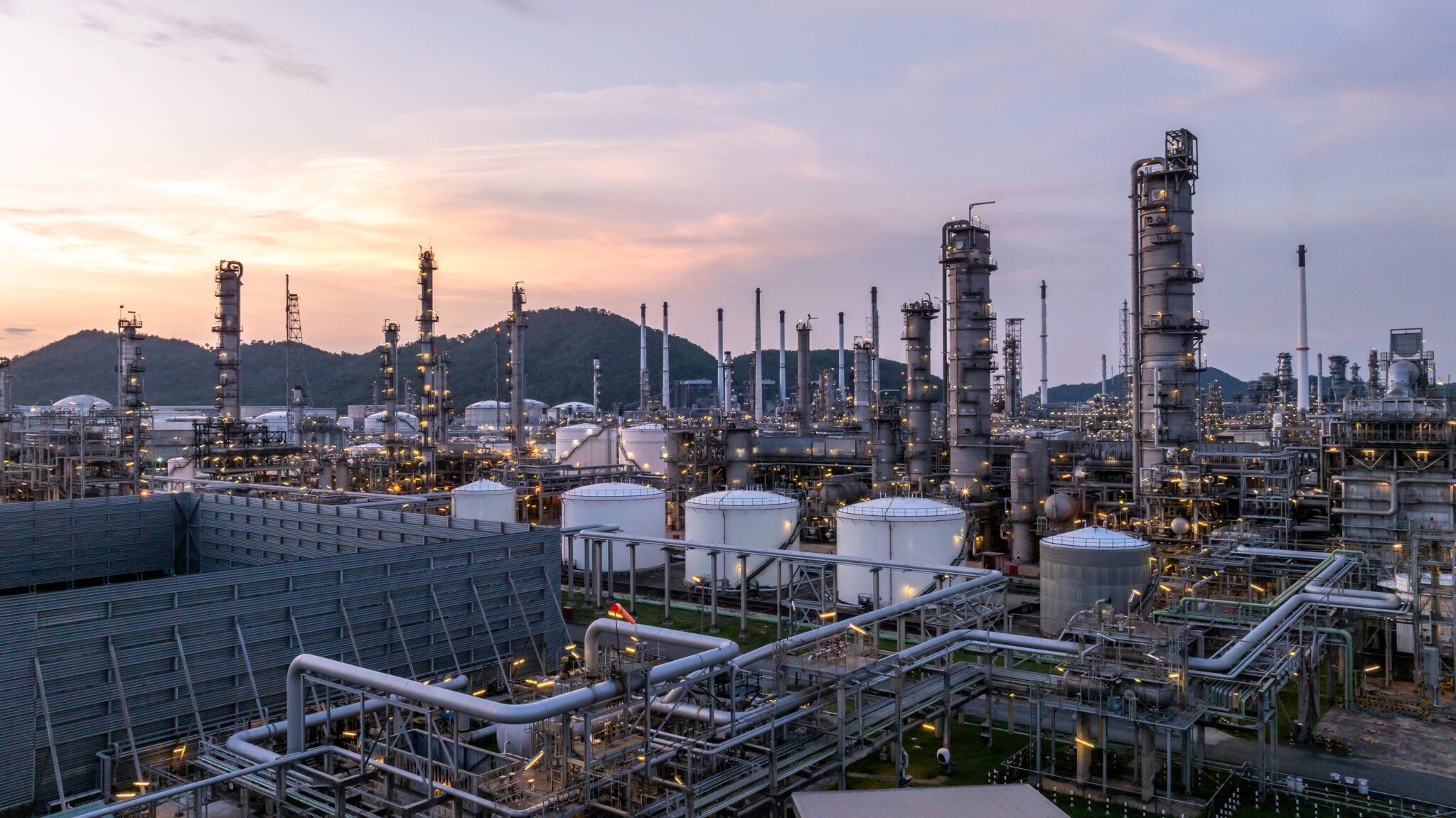
Gas Infrastructure Solutions for Industrial and Commercial Growth
Industrial operators, commercial facilities, and energy-intensive enterprises across Europe rely on European gas infrastructure solutions for stable and safe fuel supply. Inter Gaz Refinery in Poland delivers integrated refining, storage, and distribution systems designed to optimize industrial operations.
This article explains the European gas infrastructure landscape, regulatory requirements, pricing and contract structures, logistics considerations, and procurement best practices. It is written for bulk fuel buyers, energy managers, and decision-makers seeking clarity on how to secure reliable, compliant fuel supply.
Understanding Gas Infrastructure in Europe
Gas infrastructure solutions involve interconnected systems that move refined petroleum products—such as diesel, gasoline, LPG, and other fuels—from production sites to end users. Inter Gaz’s infrastructure in Poland integrates:
Refineries and processing plants
Multi-million-liter storage terminals
Pipelines and rail transport
Marine terminals for international supply
Road tankers for last-mile delivery
Distribution and monitoring networks
These systems ensure safe handling, operational efficiency, and regulatory compliance. According to the International Energy Agency, Europe’s energy markets are expanding while emphasizing sustainability, efficiency, and security of supply. For buyers, understanding infrastructure directly impacts lead times, storage planning, and compliance.
Why Refinery-Direct Procurement Matters
Purchasing directly from Inter Gaz Refinery provides structural advantages over intermediaries:
Price transparency: Reduces hidden margins.
Specification assurance: Guarantees compliance with EU fuel standards.
Supply reliability: Priority allocation during high-demand periods.
Documentation clarity: Streamlined contracts and logistics instructions.
For detailed steps on direct procurement, visit Inter Gaz Refinery Direct Sales and How to Buy Petroleum Products Directly.
Market Structure and Pricing Dynamics
Fuel pricing in Europe is shaped by global crude markets, refinery output, seasonal demand, and local regulatory blending requirements. Key considerations for buyers include:
Crude oil benchmark: Brent crude as European reference.
Refining margin: Cost difference between crude and finished product.
Transportation and storage costs: Varies by distance and logistics mode.
Regulatory taxes and fees: EU-wide and country-specific compliance costs.
Buyers typically engage through:
Spot contracts: Flexible, immediate purchases at market prices.
Term contracts: Structured, multi-month or multi-year supply agreements.
For practical guidance on contract types, see Spot vs Term Contracts.
European market insights are tracked by sources like Reuters Energy and OilPrice. Understanding pricing dynamics ensures operational predictability, not speculative exposure.
Regulatory and Compliance Considerations
Europe’s fuel markets are tightly regulated. Buyers must verify:
Compliance with EU fuel standards (EN 590 diesel, EN 228 gasoline)
Environmental emission directives
Storage and handling safety certifications
Failure to comply can result in rejected shipments, environmental penalties, or operational delays. Learn more about fuel specifications here: ASTM and EU Standards.
Logistics and Delivery Realities
Inter Gaz Refinery provides integrated logistics to deliver refined products safely and efficiently:
Pipeline: Cost-effective for domestic and regional industrial supply.
Marine terminals: For EU-wide and international exports.
Rail: Flexible bulk delivery to multiple locations.
Tank trucks: Last-mile distribution and on-site delivery.
Each method requires precise scheduling, documentation, and inspection procedures. For operational guidance, visit Refinery Sales Process.
Opportunities for Industrial and Commercial Buyers
Effective gas infrastructure solutions create measurable advantages:
Cost efficiency: Direct procurement lowers intermediary costs.
Reliable supply: Term contracts align with operational consumption.
Strategic storage: Ensures fuel availability during peak demand or shortages.
Market expansion: Secure access to European export markets and regional supply chains.
By positioning themselves with Inter Gaz Refinery, buyers gain strategic control over fuel supply while mitigating logistical and pricing risks.
Common Risks and Buyer Mistakes
Even experienced buyers may encounter pitfalls:
Overreliance on brokers: Adds margin layers and documentation risk.
Ignoring specification verification: Non-compliant fuel can disrupt operations.
Misjudging logistics lead times: Pipeline, rail, or port congestion can delay delivery.
Speculative spot purchasing: Volatility can impact cost and availability.
Weak counterparty due diligence: Financial and contractual clarity is essential.
Supply reliability depends on infrastructure strength, regulatory compliance, and operational alignment, not just price.
Market Outlook and Infrastructure Trends
The European energy market is evolving:
Refinery modernization increases efficiency and fuel quality.
Expanded export infrastructure strengthens regional fuel distribution.
Digital monitoring and automation enhance logistics transparency.
Risks include geopolitical tensions, regulatory tightening, and weather-related disruptions. Industrial buyers must balance short-term flexibility with long-term strategic storage and contract planning.
Strategic Guidance for Buyers
Before committing, industrial and commercial buyers should evaluate:
Refinery credibility and production capacity
Contract type (spot vs term)
Delivery method and lead time
Compliance documentation and specification verification
Pricing formula transparency
Storage and contingency planning
Refinery-direct procurement through Inter Gaz reduces uncertainty, ensures high-quality products, and aligns operational needs with market realities.
For company background and operational philosophy, see About Inter Gaz Refinery.
Conclusion
Reliable gas infrastructure solutions are integral to industrial growth in Europe. Inter Gaz Refinery in Poland offers a fully integrated model—refining, storage, and distribution—that ensures supply continuity, regulatory compliance, and operational efficiency.
By understanding market dynamics, contract structures, logistics realities, and compliance requirements, buyers can secure strategic advantages and position their operations for sustainable growth.
Internal Links:
Outbound Links:

Thanks for providing such a helpful and timely resource! I’m looking forward to reading more of your insights. I hope this is helpful! Let me know if you’d like me to make any adjustments or provide additional options.