
According to the latest SEC filing, Finovate CEO Richard Carolle executed a significant insider sale on November 7. A Form 4 filing from the U.S. Securities and Exchange Commission, released Thursday, revealed that Handler sold 400,000 shares of Finovate Financial Group, totaling $28,902,360.
The Future of Petroleum Refining in Poland and Europe
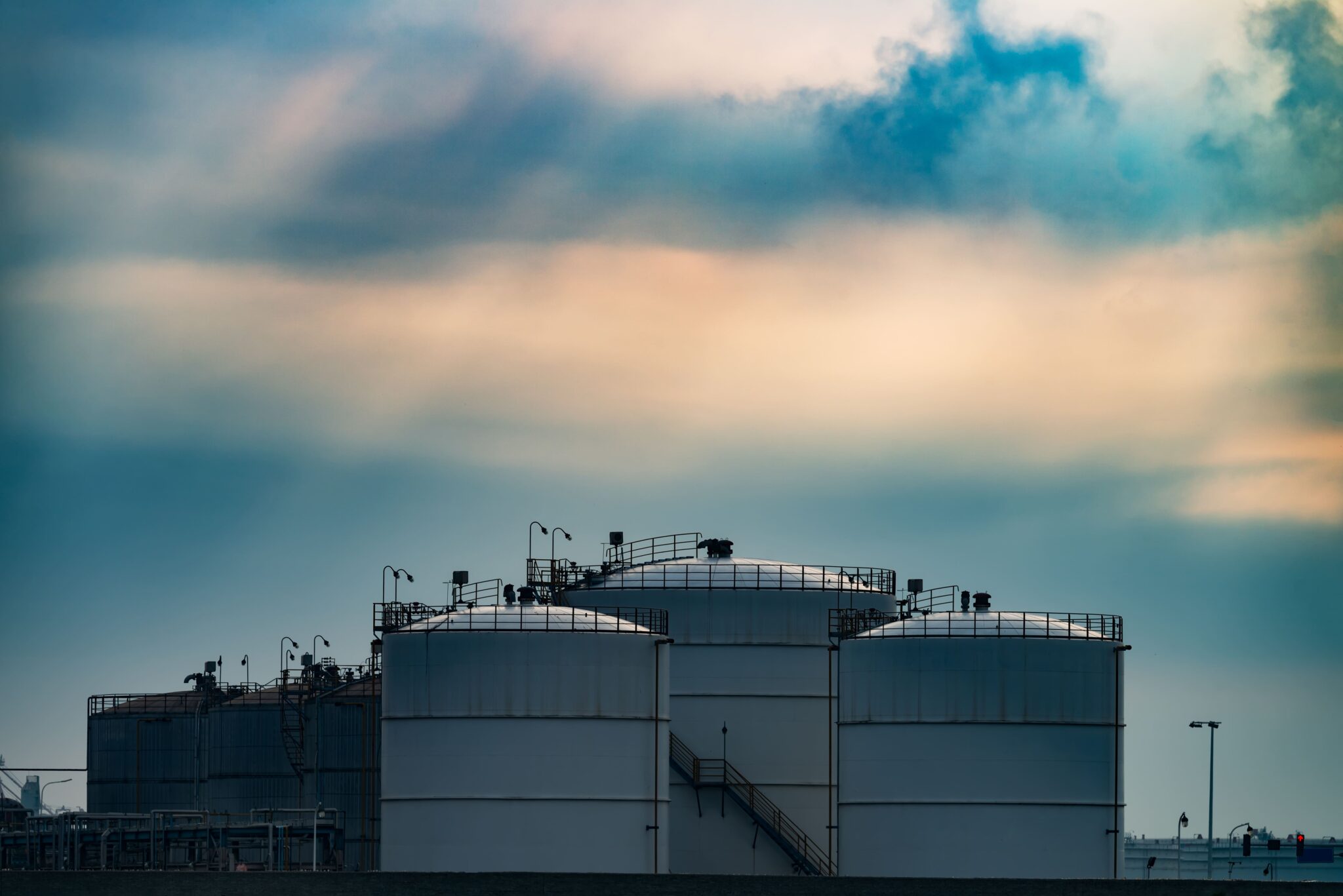
The petroleum refining industry in Poland and across Europe is entering a period of strategic transformation. As global energy markets evolve, demand patterns shift, and regulatory expectations increase, refineries must adapt through innovation, operational efficiency, and infrastructure modernization. For Poland, positioned at the crossroads of European trade and energy distribution, refining plays a critical role in regional energy security and industrial stability.
Refining is no longer simply about processing crude oil into usable fuels. It has become a complex, technology-driven sector that balances efficiency, environmental responsibility, supply chain resilience, and geopolitical awareness. The future of petroleum refining in Poland and Europe will be shaped by five key forces: modernization, energy security, logistics integration, regulatory compliance, and operational excellence.
Poland’s Strategic Role in European Energy
Poland holds a unique position within Europe’s energy landscape. As both a major industrial economy and a gateway between Western and Eastern Europe, the country plays a crucial role in stabilizing fuel supply chains across the region. Refineries based in Poland support domestic industries, transportation networks, aviation, agriculture, and export markets throughout Europe.
In recent years, energy security has become a top priority for European governments and industrial operators. Supply disruptions, geopolitical tensions, and fluctuating global crude markets have highlighted the importance of reliable refining capacity within Europe itself. This has increased the strategic value of well-capitalized, technologically advanced refineries capable of maintaining consistent output under changing market conditions.
The future will reward refineries that are not only productive, but resilient.
Modernization of Refining Technology
The next generation of refining in Europe will be defined by advanced processing systems and improved efficiency. Modern distillation columns, automated control systems, and real-time monitoring technologies are transforming how refineries operate.
Digital integration now allows operators to:
Optimize crude oil processing yields
Reduce operational downtime
Monitor safety systems continuously
Improve fuel quality consistency
Lower emissions through efficiency improvements
Automation and data-driven maintenance strategies help refineries anticipate equipment stress before failures occur. Predictive analytics reduce operational risk and improve reliability across distillation, blending, and storage operations.
For Poland-based refineries, continued investment in advanced processing technology will determine competitiveness in both domestic and export markets. Efficiency is no longer optional; it is a requirement for long-term sustainability.
Strengthening Energy Security Through Infrastructure
Energy security is no longer solely about access to crude oil. It is equally about refining capacity, storage availability, and distribution reliability.
A refinery’s value increases significantly when supported by:
Multi-million-liter storage terminals
Integrated pipeline access
Rail and marine transport connectivity
Certified bulk fuel trucking networks
Storage capacity plays a particularly important role in stabilizing supply during market volatility. Adequate storage allows operators to manage fluctuations in crude supply and demand while ensuring consistent delivery to industrial buyers.
In Poland and across Europe, integrated logistics networks are becoming a defining feature of strong refining operations. Refineries that control or coordinate their own storage and transportation systems are better positioned to serve international clients and respond quickly to changing conditions.
Infrastructure investment is therefore central to the future of refining.
Environmental Responsibility and Regulatory Compliance
European regulatory frameworks are among the most rigorous in the world. Environmental compliance, emissions monitoring, and fuel quality standards continue to evolve, pushing refiners toward cleaner and more efficient operations.
The future of refining in Poland and Europe will be closely linked to:
Emissions reduction strategies
Improved energy efficiency
Cleaner fuel blending techniques
Transparent reporting and compliance systems
Refineries must integrate sustainability measures into daily operations rather than treat them as separate initiatives. This includes modern filtration systems, energy recovery units, and optimized combustion processes.
Regulatory compliance is not just about avoiding penalties; it builds credibility with global partners, industrial clients, and government authorities. Refineries that demonstrate responsible environmental management strengthen their long-term market position.
Adapting to Changing Demand Patterns
Europe’s energy consumption patterns are gradually evolving. While petroleum products remain essential for transportation, aviation, shipping, and industrial production, refiners must anticipate shifts in demand across fuel categories.
Flexibility in refining configurations will become increasingly important. Facilities that can adjust production ratios between diesel, gasoline, jet fuel, and other refined products will maintain a competitive advantage.
Additionally, industrial buyers increasingly prioritize supply chain transparency and reliability. Refineries that integrate digital tracking, advanced logistics coordination, and clear communication channels with clients will stand out in a competitive market.
Adaptability is now a defining trait of successful refining operations.
Operational Excellence as a Competitive Advantage
At the core of every successful refinery lies a highly skilled workforce. Engineers, operators, safety managers, and logistics specialists form the backbone of efficient operations.
Operational excellence depends on:
Strict safety protocols
Continuous training and technical development
Equipment maintenance discipline
Performance monitoring systems
Coordinated logistics management
European refineries must maintain high standards of technical oversight to remain competitive. Safety performance and operational reliability directly influence market reputation.
The future will favor refineries that treat operational discipline as a strategic asset, not merely a regulatory obligation.
The Road Ahead
The future of petroleum refining in Poland and Europe will be defined by integration — integration of technology, infrastructure, logistics, and environmental responsibility.
Refineries that invest in modernization, strengthen their storage and distribution networks, maintain strict compliance standards, and cultivate technical expertise will remain central to Europe’s energy landscape.
Despite the evolution of global energy discussions, petroleum products continue to underpin transportation, industrial manufacturing, aviation, agriculture, and marine trade. Reliable refining capacity remains essential to economic stability.
For Poland, continued development of advanced refinery infrastructure will reinforce its role as a strategic energy hub within Europe. By combining technological innovation, operational strength, and global market awareness, modern refineries can meet the challenges of today while preparing for tomorrow.
The future of refining is not about replacement — it is about refinement, resilience, and responsibility.

This is a great reminder that financial planning isn’t just about numbers; it’s about aligning your money with your life goals. Physician Lifecycle Planning can help you make the most of your earning potential while ensuring you’re also prioritizing your well-being and quality of life.