

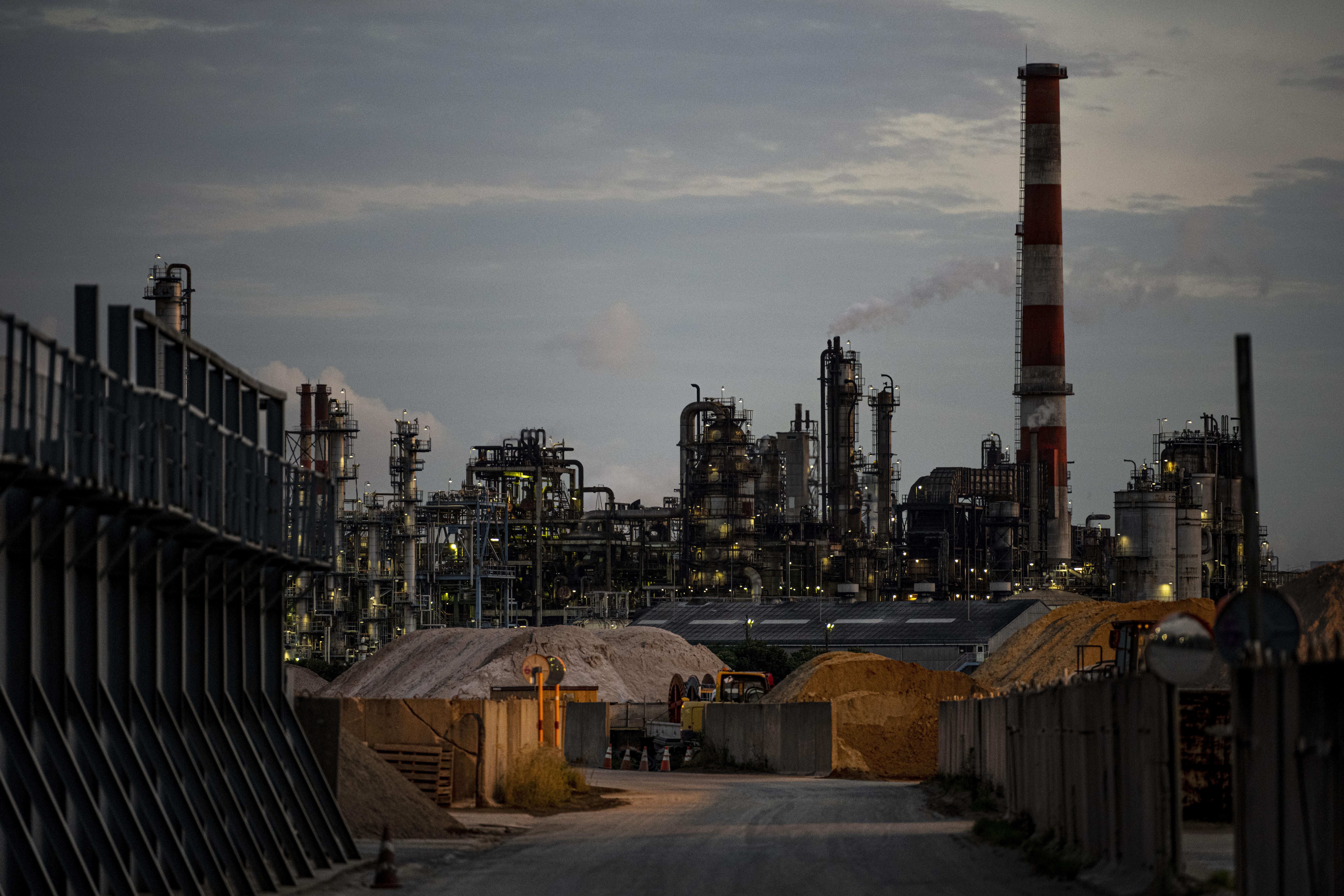
Crude oil remains one of the most strategically important commodities in the global economy, powering transportation, manufacturing, petrochemicals, and energy generation. The Top Crude Oil Suppliers in the World play a critical role in maintaining energy security, supporting industrial growth, and stabilizing international petroleum markets. For energy traders, procurement managers, refiners, and institutional buyers, understanding the global crude oil supply landscape is essential for making informed purchasing and investment decisions.
As global energy demand continues to evolve, crude oil suppliers are increasingly evaluated not only by production capacity but also by export infrastructure, logistics reliability, regulatory compliance, and supply chain resilience. This article examines the major oil-producing regions, procurement processes, and market intelligence factors shaping the modern petroleum trade.
What Defines the Top Crude Oil Suppliers in the World?
The position of the Top Crude Oil Suppliers in the World is determined by several interconnected factors that influence their ability to deliver consistent volumes to international buyers.
Production Capacity
Large-scale production remains the foundation of global oil supply leadership. Countries with significant upstream exploration and production capabilities can sustain long-term supply commitments and respond more effectively to fluctuations in market demand.
Major producers typically maintain extensive reserves, advanced extraction technologies, and integrated production systems that support stable output over extended periods.
Export Infrastructure
Efficient export infrastructure is equally important. Crude oil suppliers depend on:
- Export terminals
- Deep-water ports
- Pipeline networks
- Storage facilities
- Marine loading systems
Without these assets, even large producers may face bottlenecks that limit their ability to access international markets.
Refining Systems
Although crude oil is often traded before refining, suppliers with integrated refining capabilities offer additional flexibility. Refineries convert crude into valuable petroleum products such as diesel, gasoline, jet fuel, and fuel oil.
Buyers seeking refined products often evaluate suppliers with established downstream operations and verified supply allocations. Information regarding petroleum product supply structures can be found through resources such as https://intergaz.pl/crude-oil-supply-allocation-for-verified-buyers/.
Logistics Strength
Reliable shipping networks, chartering capabilities, storage agreements, and vessel availability contribute significantly to supplier competitiveness.
Strong logistics systems help suppliers minimize delays, optimize delivery schedules, and maintain contractual obligations across international markets.
Compliance Standards
International buyers increasingly require:
- Know Your Customer (KYC) compliance
- Anti-Money Laundering (AML) procedures
- Export licensing verification
- Environmental compliance
- Quality certification documentation
Suppliers that maintain transparent compliance frameworks generally attract greater confidence from institutional buyers and trading organizations.
Major Crude Oil Supply Regions
The Top Crude Oil Suppliers in the World are concentrated within several major producing regions that collectively account for the majority of global oil exports.
Middle East
The Middle East remains the most influential oil-producing region globally.
Countries such as:
- Saudi Arabia
- United Arab Emirates
- Iraq
- Kuwait
possess some of the world’s largest proven crude oil reserves.
The region benefits from relatively low production costs, extensive export terminals, and direct access to major shipping routes connecting Asia, Europe, and Africa.
Organizations such as the Organization of the Petroleum Exporting Countries continue to influence global production strategies and market balancing efforts.
North America
North America has emerged as a major force in global oil supply, particularly through unconventional resource development.
The United States has significantly expanded production through shale oil development, while Canada remains a major exporter through its oil sands sector.
Strong infrastructure, advanced technology, and developed financial markets support North America’s role in international petroleum trade.
Russia and CIS
Russia continues to be one of the largest crude oil producers globally. The country maintains extensive pipeline systems and export terminals serving both European and Asian markets.
Several Commonwealth of Independent States (CIS) countries also contribute meaningful volumes to regional and global supply networks.
Africa
Africa hosts some of the world’s most significant crude oil exporters.
Key suppliers include:
- Nigeria
- Angola
- Libya
- Algeria
African crude grades are often sought after by refiners due to their varying sulfur content and refining characteristics.
Asia-Pacific
Although many Asia-Pacific countries are major energy consumers, the region also contains important suppliers.
Countries such as Malaysia and Australia contribute to regional supply chains while supporting growing demand across Asian markets.
How the Top Crude Oil Suppliers in the World Support Global Supply Chains
The global petroleum supply chain involves multiple stages that connect production fields to end users.
Production and Gathering
Crude oil is extracted from producing fields and transported through gathering systems to processing facilities.
At this stage, basic treatment removes water, gas, and impurities before transportation.
Storage and Terminal Operations
Storage facilities and tank farms provide inventory management capabilities that help balance production and export schedules.
Large storage hubs allow suppliers to:
- Manage supply fluctuations
- Coordinate vessel loading
- Maintain export continuity
- Support contractual deliveries
FOB vs CIF Deliveries
Two of the most common international petroleum trade structures are FOB and CIF.
FOB (Free on Board) means the seller delivers the product to the loading port, while the buyer assumes responsibility for freight and insurance.
CIF (Cost, Insurance, and Freight) means the seller arranges transportation and insurance to the destination port.
Examples of petroleum product supply structures utilizing these delivery methods can be found at:
- https://intergaz.pl/en590-diesel-supplier-fob-poland/
- https://intergaz.pl/en590-diesel-supply-fob-poland-cif-international-delivery-2/
- https://intergaz.pl/gasoil-10ppm-supply-fob-poland-cif-international-delivery/
- https://intergaz.pl/jet-fuel-a1-bulk-supply-cif-global-markets/
Marine Transportation
Once loaded, crude oil is transported through international shipping routes using tankers of various capacities.
Key maritime corridors include:
- Strait of Hormuz
- Suez Canal
- Panama Canal
- Malacca Strait
These routes remain critical to global energy security and supply continuity.
Procurement Process for Crude Oil Buyers
Engaging with the Top Crude Oil Suppliers in the World requires a structured procurement process designed to minimize risk and ensure transaction integrity.
Supplier Verification
Verification typically includes:
- Corporate registration checks
- Operational capability assessment
- Compliance reviews
- Trade references
- Financial due diligence
Buyers often seek verified supply channels before entering commercial negotiations.
ICPO Submission
The International Corporate Purchase Order (ICPO) is commonly used to demonstrate buyer intent.
A properly structured ICPO generally outlines:
- Product specifications
- Required volumes
- Delivery terms
- Destination information
- Banking framework
Contract Structure
Petroleum contracts often include:
- Product specifications
- Quantity commitments
- Delivery schedules
- Inspection procedures
- Payment mechanisms
- Dispute resolution clauses
These agreements provide legal and operational clarity for both parties.
Allocation Systems
Many suppliers allocate production volumes to qualified buyers through allocation programs.
Allocation procedures help suppliers manage capacity while ensuring long-term supply commitments are honored.
Organizations seeking guidance on petroleum procurement frameworks may review additional information through https://intergaz.pl/services/ and https://intergaz.pl/about/.
Market Intelligence and Global Supply Dynamics
Understanding the Top Crude Oil Suppliers in the World requires continuous monitoring of market intelligence factors that influence supply and pricing.
OPEC Influence
The Organization of the Petroleum Exporting Countries remains one of the most influential groups in global oil markets.
Production adjustments announced by OPEC can significantly impact global supply balances and price movements.
Industry participants frequently monitor reports published by OPEC and the International Energy Agency (IEA).
Geopolitical Factors
Political developments often influence supply availability.
Examples include:
- Sanctions
- Regional conflicts
- Trade restrictions
- Regulatory changes
- Infrastructure disruptions
These events can affect export flows and create temporary market imbalances.
Supply Fluctuations
Supply fluctuations may result from:
- Maintenance shutdowns
- Weather events
- Production quotas
- Pipeline outages
- Operational constraints
Energy traders closely monitor these variables when planning procurement strategies.
Pricing Structures
Crude oil pricing is influenced by benchmark references such as:
- Brent
- WTI
- Dubai/Oman
Market participants also analyze supply-demand fundamentals, inventory levels, transportation costs, and geopolitical developments.
Reliable data and market intelligence are frequently sourced from organizations such as the U.S. Energy Information Administration (EIA) and BP.
Conclusion
The Top Crude Oil Suppliers in the World form the backbone of the international energy system, supporting economic activity, industrial production, and global trade. Their ability to maintain production capacity, export infrastructure, logistics networks, and compliance standards determines the stability of petroleum markets worldwide.
For energy traders, refiners, procurement professionals, and institutional buyers, understanding supply regions, procurement frameworks, logistics structures, and market intelligence factors is essential for navigating today’s increasingly complex oil market. As geopolitical developments, production policies, and energy demand continue to evolve, verified supplier relationships and informed procurement strategies remain critical components of successful petroleum trading operations.