
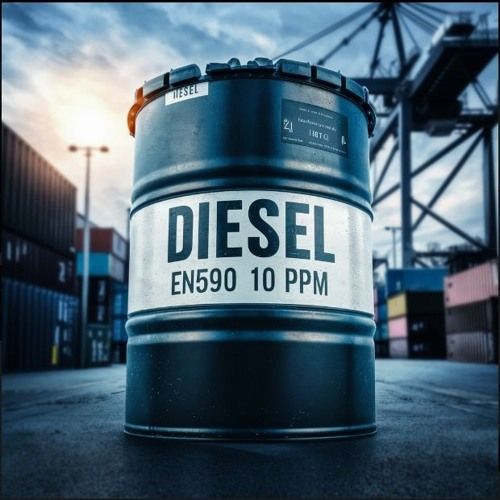
For fuel importers, distributors, and industrial buyers, understanding EN590 diesel pricing is essential for making informed purchasing decisions in Europe. EN590 diesel—the standard automotive diesel specification across the European Union—is not priced as a fixed commodity. Instead, it is derived from a structured pricing system that combines global oil benchmarks, regional supply-demand dynamics, logistics costs, and regulatory requirements.
This article explains how EN590 diesel pricing works, what factors influence it, and how buyers can manage costs effectively. It also explores how sourcing directly from U.S. refineries interacts with European pricing mechanisms. While direct sourcing may offer transparency and supply consistency, buyers must understand how imported diesel is priced once it enters the European fuel distribution network.
What Is EN590 Diesel?
EN590 is the European standard for automotive diesel fuel. It defines technical specifications such as:
- Sulfur content (maximum 10 parts per million)
- Cetane number (a measure of combustion quality)
- Density and viscosity
- Cold flow properties (important for winter performance)
These specifications ensure consistent fuel quality across European markets. Any diesel sold as EN590 must meet these requirements, regardless of origin.
EN590 Diesel Pricing: Core Structure
EN590 diesel pricing is built on a layered structure that starts with global crude oil benchmarks and incorporates regional and logistical adjustments.
Benchmark Foundations
The primary pricing reference for European diesel is derived from crude oil benchmarks such as:
- Brent crude (dominant in Europe)
- Refined product benchmarks published by pricing agencies (e.g., Platts assessments)
These benchmarks reflect global supply and demand conditions and serve as the base price for diesel.
Product Crack Spread
A key concept in diesel pricing is the crack spread, which represents the difference between crude oil prices and refined product prices.
- A higher crack spread indicates strong demand or limited refining capacity
- A lower crack spread suggests weaker demand or surplus supply
The crack spread directly affects EN590 diesel pricing, as it reflects refinery margins.
Premiums and Differentials
EN590 diesel often trades at a premium over benchmark prices. This premium reflects:
- Fuel quality compliance
- Seasonal demand (e.g., winter-grade diesel)
- Regional supply shortages
EN590 Diesel Pricing: Delivered Cost Components
For buyers, the most important figure is the landed cost—the total price paid upon delivery.
Key Cost Elements
- Benchmark price (Brent-based)
- Refining margin (crack spread)
- Premium or differential
- Freight and insurance
- Port and terminal fees
- Storage and handling costs
- Taxes and duties
Data from the U.S. Energy Information Administration (https://www.eia.gov) shows how fluctuations in crude oil prices directly impact refined product pricing in Europe.
Freight and Logistics Costs
Transportation plays a significant role in EN590 pricing:
- Ocean freight for imports
- Pipeline tariffs within Europe
- Rail and truck delivery costs
For coordinated logistics and terminal services, buyers often rely on
https://intergaz.pl/services/
Contract Structures in EN590 Diesel Pricing
Spot Market Pricing
Spot transactions are based on current market prices and are typically linked to daily benchmark assessments.
Advantages:
- Flexibility
- Ability to respond to market changes
Risks:
- Price volatility
- Supply uncertainty
Term Contracts
Term contracts provide longer-term supply agreements with pricing formulas.
Common structures:
- Benchmark (e.g., Brent or Platts) + fixed premium
- Indexed pricing with periodic adjustments
These contracts provide stability but reduce flexibility.
Pricing Transparency
Clear pricing formulas are essential. Buyers should ensure contracts specify:
- Benchmark reference
- Premium calculation
- Delivery terms
Logistics and Delivery Realities
Importing EN590 Diesel
When sourcing from outside Europe, diesel typically arrives via tanker at major ports. Buyers must account for:
- Transit times (2–4 weeks from the U.S.)
- Port congestion
- Storage availability
Storage and Distribution
After arrival, diesel is stored in terminals before distribution via:
- Pipelines
- Rail networks
- Road transport
Efficient storage and handling are critical to maintaining pricing competitiveness. For infrastructure insights, buyers can explore
https://intergaz.pl/
Demurrage Risk
Delays in unloading or storage can result in demurrage charges, increasing total cost.
Regulatory and Compliance Framework
European Union Standards
EN590 diesel must comply with EU regulations, including:
- Ultra-low sulfur requirements
- Environmental standards
- Fuel quality certification
Non-compliance can result in cargo rejection or additional costs.
Taxes and Duties
Fuel pricing in Europe is heavily influenced by taxation, including:
- Excise duties
- Value-added tax (VAT)
- Environmental levies
These taxes often represent a significant portion of the final price.
U.S. Export Considerations
For buyers sourcing from U.S. refineries, compliance includes:
- Export documentation
- Sanctions screening
- Trade reporting
Insights from the International Energy Agency (https://www.iea.org) and Reuters Energy (https://www.reuters.com/business/energy/) highlight how regulatory alignment affects trade flows.
Market Dynamics Influencing EN590 Pricing
Supply and Demand
Diesel demand is influenced by:
- Industrial activity
- Transportation needs
- Seasonal factors
Refining Capacity
Limited refining capacity can increase diesel prices, especially during high-demand periods.
Geopolitical Factors
Supply disruptions or political tensions can affect pricing and availability.
According to OilPrice (https://oilprice.com), global supply chain disruptions have significantly impacted diesel markets in recent years.
Opportunities for Buyers
Arbitrage Opportunities
Price differences between regions allow buyers to source diesel at lower costs and import it into Europe.
Supplier Diversification
Access to multiple suppliers improves negotiating power and supply security.
Strategic Storage
Using storage facilities to time purchases can help optimize pricing.
For company background and operational capabilities, see
https://intergaz.pl/about/
Risks and Common Mistakes
Ignoring Total Landed Cost
Focusing only on benchmark prices can lead to underestimating total costs.
Poor Contract Structuring
Ambiguous pricing terms can result in disputes and unexpected expenses.
Logistics Misalignment
Delays in shipping, storage, or distribution increase costs.
Regulatory Non-Compliance
Failure to meet EU standards can disrupt supply chains.
Market Outlook and Future Trends
Energy Transition
Europe’s move toward cleaner energy is gradually affecting diesel demand and pricing structures.
Infrastructure Investment
Investments in storage and logistics infrastructure are improving market efficiency.
Increased Market Integration
Globalization is making diesel pricing more interconnected across regions.
According to OPEC (https://www.opec.org), evolving global demand patterns will continue to shape fuel pricing.
Supply Reliability and Risk Mitigation
Diversified Sourcing
Working with multiple suppliers reduces dependency risks.
Strong Contracts
Clear pricing formulas and delivery terms improve predictability.
Logistics Optimization
Efficient coordination of shipping and storage reduces delays and costs.
Insurance Coverage
Marine insurance protects against losses during transport.
Strategic Buying Considerations
When evaluating EN590 diesel pricing, buyers should focus on:
- Total landed cost
- Contract structure and pricing formula
- Logistics and delivery timelines
- Regulatory compliance
Combining these factors allows buyers to make informed decisions and manage risk effectively.
Conclusion
Understanding EN590 diesel pricing is essential for navigating Europe’s complex fuel market. Pricing is determined by a combination of global benchmarks, refining margins, logistics costs, and regulatory requirements.
For buyers sourcing from U.S. refineries, transparency and product consistency offer advantages, but success depends on integrating imports into Europe’s pricing and logistics framework. By analyzing each component of the pricing structure and aligning procurement strategies with market conditions, buyers can optimize costs, reduce risks, and secure reliable diesel supply in a competitive and evolving energy landscape.