
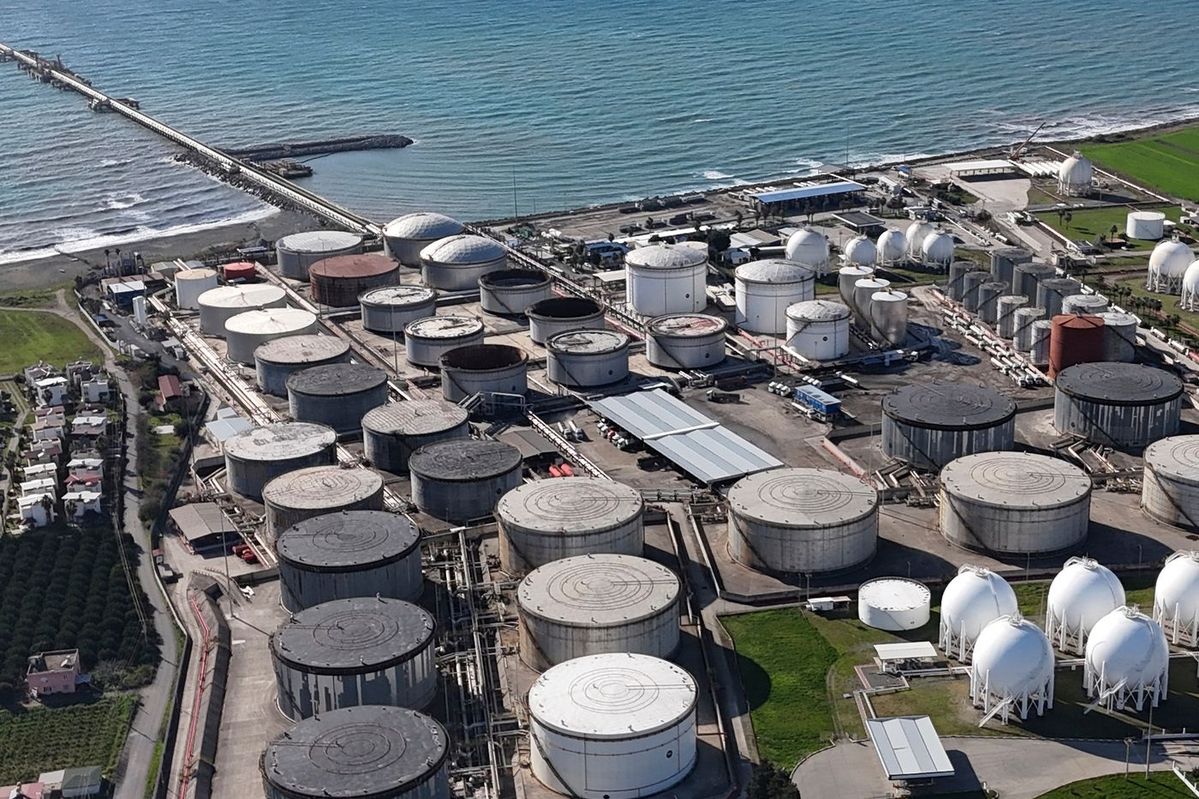
The fuel storage Poland market plays a central role in ensuring stable energy supply for industrial users, fuel distributors, and commodity traders operating across Central and Eastern Europe. As Poland expands its energy infrastructure and diversifies supply sources, bulk buyers must carefully evaluate storage options to optimize cost, logistics, and supply reliability.
This guide is designed for procurement professionals and energy buyers who need a structured understanding of fuel storage systems in Poland. The core challenge lies in selecting the right storage type, location, and contractual arrangement while managing regulatory requirements and market risks.
Buying directly from a U.S. refinery can offer pricing advantages and supply security, but it requires reliable storage capacity upon arrival. Without proper storage planning, buyers face delays, additional costs, and potential supply disruptions. Understanding the available storage options is therefore essential for efficient fuel procurement and distribution.
Fuel Storage Poland: Market Structure
The fuel storage Poland system consists of a mix of state-owned infrastructure, private terminals, and integrated logistics networks.
Core Storage Types
1. Coastal Storage Terminals
Located near Baltic ports, these facilities handle large import volumes and serve as primary entry points for global shipments.
2. Inland Tank Farms
Strategically located storage facilities connected to pipelines, rail networks, and road transport systems.
3. Refinery-Integrated Storage
On-site storage facilities operated by refineries for processing and distribution.
4. Commercial Third-Party Storage
Independent operators provide storage services to traders and bulk buyers.
Key Market Participants
- State energy companies
- Private terminal operators
- Logistics providers
- International trading firms
This diverse ecosystem provides flexibility but requires careful coordination.
Fuel Storage Poland: Types and Use Cases
Understanding different storage options helps buyers match infrastructure to operational needs.
Fixed Tank Storage
Large steel tanks designed for long-term storage of crude oil and refined products.
Advantages:
- High capacity
- Suitable for strategic reserves
- Stable storage conditions
Limitations:
- Higher fixed costs
- Limited flexibility
Floating Roof Tanks
Designed to reduce vapor loss and improve environmental performance.
Advantages:
- Reduced emissions
- Improved product preservation
Pipeline-Connected Storage
Facilities directly linked to pipeline networks for efficient distribution.
Advantages:
- Continuous product flow
- Lower transport costs
- Reduced handling risks
Mobile and Temporary Storage
Includes smaller tanks and flexible storage solutions.
Advantages:
- Short-term flexibility
- Useful for seasonal demand
Each option serves specific logistical and commercial purposes.
Role of Storage in U.S.–Poland Supply Chains
Fuel storage is essential for integrating imports from U.S. refineries into Poland’s energy system.
Typical Supply Chain Flow
- Loading at U.S. refinery or export terminal
- Marine transport to Polish ports
- Discharge into coastal storage facilities
- Transfer to inland storage or pipelines
- Distribution to end-users
Strategic Importance
- Enables bulk purchasing at favorable prices
- Provides buffer against supply disruptions
- Supports blending and product optimization
Storage acts as a bridge between global supply and local demand.
Regulatory Framework and Compliance
Fuel storage in Poland operates under strict regulatory oversight.
Key Compliance Areas
1. EU Fuel Standards
Products must meet specifications for quality and emissions.
2. Environmental Regulations
Storage facilities must minimize emissions and prevent leaks.
3. Safety Requirements
Strict protocols govern handling of flammable materials.
4. Strategic Reserves Obligations
Certain operators must maintain minimum fuel reserves.
5. U.S. Export Compliance
Imported products must meet export regulations from the origin country.
Authoritative references include:
U.S. Energy Information Administration — https://www.eia.gov
International Energy Agency — https://www.iea.org
Non-compliance can result in fines, operational shutdowns, or reputational damage.
Pricing Structures and Cost Drivers
Fuel storage costs vary depending on facility type and location.
Common Pricing Models
Storage Fees
- Charged per cubic meter and duration
Handling Fees
- Costs for loading and unloading
Throughput Fees
- Charges based on volume moved through the facility
Key Cost Drivers
- Location (coastal vs inland)
- Storage duration
- Market demand for capacity
- Energy and maintenance costs
- Regulatory compliance expenses
Market insights from:
Reuters Energy — https://www.reuters.com/business/energy/
OilPrice — https://oilprice.com
help buyers anticipate cost trends.
Contract Structures and Commercial Considerations
Storage agreements define access, costs, and operational terms.
Key Contract Elements
- Capacity allocation
- Minimum storage duration
- Throughput commitments
- Quality control requirements
- Liability and insurance provisions
Strategic Considerations
- Secure capacity during high-demand periods
- Ensure flexibility for volume changes
- Align storage location with distribution needs
Working with experienced providers—such as those outlined on https://intergaz.pl/services/—can improve operational efficiency.
Logistics and Delivery Realities
Storage is only one part of the broader logistics system.
Integration with Transport Modes
- Pipelines for large-volume transport
- Rail for regional distribution
- Road for last-mile delivery
Operational Challenges
- Limited storage availability during peak demand
- Coordination between transport and storage systems
- Infrastructure bottlenecks
Effective logistics planning is essential for smooth operations.
Risks and Common Mistakes
Fuel storage decisions carry both operational and financial risks.
Operational Risks
- Tank capacity shortages
- Equipment failures
- Product contamination
Commercial Risks
- Unexpected fee increases
- Contractual disputes
- Counterparty risk
Common Buyer Mistakes
- Failing to secure storage before shipment arrival
- Overlooking location-specific logistics costs
- Ignoring regulatory requirements
- Relying on a single storage provider
A structured due diligence approach—similar to frameworks described on https://intergaz.pl/about/—can reduce these risks.
Supply Reliability and Risk Mitigation
Storage plays a key role in maintaining supply continuity.
Best Practices
- Maintain buffer inventory levels
- Diversify storage locations
- Monitor storage performance
- Align storage strategy with demand forecasts
Risk Mitigation Tools
- Long-term storage contracts
- Insurance coverage
- Hedging strategies
- Contingency planning
These measures improve resilience in volatile markets.
Opportunities for Bulk Buyers
Poland’s fuel storage market offers several advantages:
1. Strategic Location
Central position within European energy networks.
2. Expanding Infrastructure
Ongoing investment in storage capacity and logistics systems.
3. Access to Global Markets
Direct imports via Baltic ports.
4. Integration with Regional Supply Chains
Connections to pipelines and neighboring markets.
Companies operating in this ecosystem—such as https://intergaz.pl/—benefit from these structural advantages.
Fuel Storage Poland: Market Outlook
The fuel storage Poland sector is evolving in response to global energy trends.
Key Developments
Energy Transition
- Increased storage of biofuels and alternative energy products
Infrastructure Expansion
- New storage facilities and upgrades to existing terminals
Digitalization
- Improved inventory management and monitoring systems
Geopolitical Factors
- Changing supply routes and increased focus on energy security
Organizations such as OPEC — https://www.opec.org
continue to influence global supply and pricing dynamics.
Practical Buyer Guidance
To effectively manage fuel storage in Poland, buyers should adopt a structured approach:
Step-by-Step Strategy
- Define product specifications and volume requirements
- Select appropriate storage type and location
- Secure storage capacity in advance
- Ensure regulatory compliance
- Negotiate clear contract terms
- Monitor storage and logistics performance
This approach improves efficiency and reduces risk exposure.
Conclusion
Fuel storage options in Poland are a critical component of the country’s energy logistics system, enabling bulk buyers to manage supply, optimize costs, and ensure reliable delivery. With increasing reliance on global imports—including direct shipments from U.S. refineries—storage infrastructure plays a central role in bridging supply and demand.
While the market offers significant opportunities in terms of flexibility and integration, it also requires careful management of regulatory, operational, and commercial factors. Buyers who understand the available storage options and apply structured procurement strategies can achieve greater supply security and operational efficiency in a rapidly evolving energy landscape.